AI for Chatbots
AI for Chatbots: Revolutionizing Customer Engagement
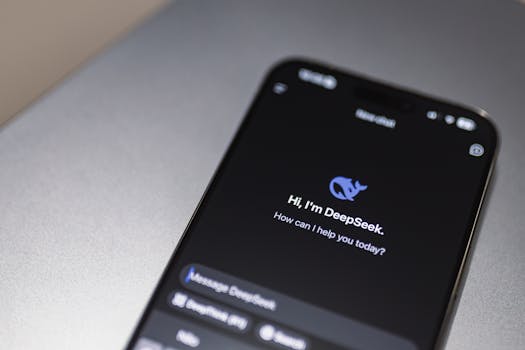
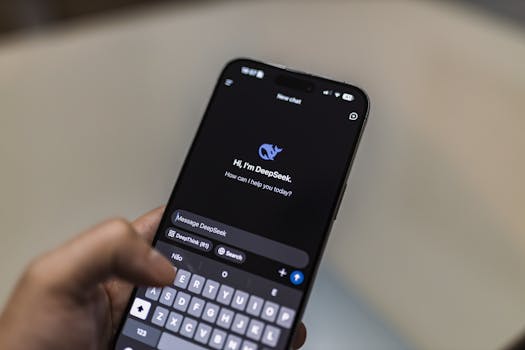
In today's fast-paced digital world, chatbots have become an integral part of customer service, sales, and engagement strategies. With the advent of Artificial Intelligence (AI), chatbots have evolved from simple rule-based systems to sophisticated, conversational agents capable of understanding and responding to complex queries. This transformation is not just about technology; it's about creating seamless, personalized experiences for users. Let's dive into the world of AI-powered chatbots, explore their capabilities, and discover some of the best free AI tools that can help you build your own.
The Rise of AI in Chatbots
Chatbots have come a long way since their inception. Initially, they were limited to predefined scripts and could only handle basic queries. However, with the integration of AI, particularly Natural Language Processing (NLP) and Machine Learning (ML), chatbots have become more intelligent, adaptive, and human-like. Here’s why AI is a game-changer for chatbots:
- Natural Language Understanding (NLU): AI enables chatbots to comprehend user intent, context, and sentiment, making conversations more fluid and meaningful.
- Personalization: AI-powered chatbots can analyze user data to provide tailored responses and recommendations.
- Scalability: They can handle thousands of conversations simultaneously, ensuring no customer is left waiting.
- Continuous Learning: Through ML, chatbots improve over time by learning from interactions and feedback.
Key Components of AI-Powered Chatbots
Before we explore the tools, let’s understand the core components that make AI chatbots tick:
- Natural Language Processing (NLP): Allows chatbots to interpret and generate human language.
- Machine Learning (ML): Enables chatbots to learn from data and improve their responses.
- Intent Recognition: Helps chatbots understand what the user wants to achieve.
- Entity Extraction: Identifies key pieces of information (e.g., names, dates) from user inputs.
- Context Management: Ensures the chatbot remembers previous interactions for coherent conversations.
5 Free AI Tools for Building Chatbots
Whether you're a developer, a business owner, or just curious about AI, these free tools can help you create powerful chatbots without breaking the bank.
1. Dialogflow (by Google)
- Description: Dialogflow is a developer-friendly platform for building conversational interfaces into applications and devices. It uses Google’s machine learning expertise to understand user queries and deliver accurate responses.
- Features:
- Pre-built agents for common use cases.
- Integration with Google Assistant and other platforms.
- Multi-language support.
- Contextual understanding and follow-up intents.
- Pros:
- Robust NLP capabilities.
- Extensive documentation and community support.
- Free tier with generous usage limits.
- Cons:
- Can be complex for beginners.
- Advanced features require a paid plan.
2. Rasa
- Description: Rasa is an open-source framework for building AI-powered chatbots and voice assistants. It’s highly customizable and allows developers to maintain full control over their chatbot’s logic.
- Features:
- NLU and dialogue management modules.
- Pre-trained models for quick setup.
- Supports multiple languages.
- Integration with popular messaging platforms.
- Pros:
- Fully open-source and free.
- Highly customizable.
- Active community and extensive tutorials.
- Cons:
- Steeper learning curve.
- Requires technical expertise.
3. Botpress
- Description: Botpress is an open-source platform for designing, building, and deploying chatbots. It offers a visual interface for creating conversational flows and supports multiple channels.
- Features:
- Drag-and-drop flow builder.
- Built-in NLU engine.
- Multi-channel deployment (Facebook, Slack, etc.).
- Extensible with custom modules.
- Pros:
- User-friendly interface.
- Free and open-source.
- Strong community support.
- Cons:
- Limited advanced NLP features.
- Requires hosting and maintenance.
4. Microsoft Bot Framework
- Description: The Microsoft Bot Framework is a comprehensive platform for building and deploying chatbots across multiple channels. It integrates seamlessly with Azure services and offers powerful AI capabilities.
- Features:
- Integration with Azure Cognitive Services.
- Multi-channel support (Teams, Slack, etc.).
- Built-in language understanding (LUIS).
- Analytics and monitoring tools.
- Pros:
- Strong enterprise-grade features.
- Extensive documentation and support.
- Free tier available.
- Cons:
- Requires Azure account.
- Can be overwhelming for beginners.
5. ChatterBot
- Description: ChatterBot is a Python library that makes it easy to generate automated responses to a user’s input. It uses machine learning to produce human-like responses.
- Features:
- Simple and lightweight.
- Pre-trained datasets for quick setup.
- Customizable training data.
- Supports multiple languages.
- Pros:
- Easy to integrate into Python projects.
- Open-source and free.
- Great for small-scale projects.
- Cons:
- Limited advanced features.
- Requires programming knowledge.
How to Choose the Right Tool
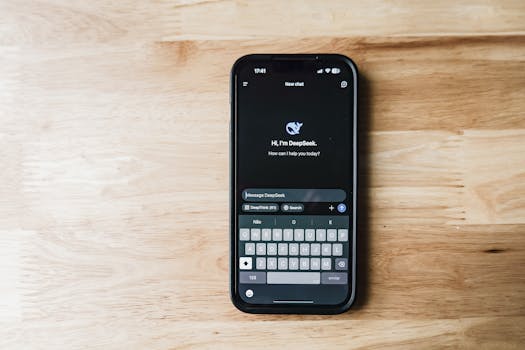
Selecting the right AI tool for your chatbot depends on several factors:
- Technical Expertise: If you’re a developer, Rasa or ChatterBot might be ideal. For non-technical users, Botpress or Dialogflow could be better options.
- Scalability: For large-scale projects, Microsoft Bot Framework or Dialogflow offer robust solutions.
- Customization: If you need full control over your chatbot’s logic, Rasa or Botpress are excellent choices.
- Budget: All the tools mentioned have free tiers, but consider long-term costs and scalability.
The Future of AI Chatbots
The future of AI chatbots is incredibly promising. With advancements in NLP, ML, and voice recognition, chatbots will become even more intelligent and indistinguishable from humans. Here are some trends to watch:
- Voice-Enabled Chatbots: Integration with voice assistants like Alexa and Google Assistant.
- Emotion AI: Chatbots that can detect and respond to user emotions.
- Omnichannel Presence: Seamless interaction across websites, apps, and social media.
- Hyper-Personalization: Chatbots that remember user preferences and behaviors for highly tailored experiences.
Conclusion
AI-powered chatbots are no longer a futuristic concept; they are a present-day necessity for businesses looking to enhance customer engagement and streamline operations. With the right tools and a clear strategy, anyone can build a chatbot that delivers value to users. Whether you’re a seasoned developer or a beginner, the tools mentioned above offer a great starting point.
So, what are you waiting for? Dive into the world of AI chatbots and start building your own conversational agent today. If you found this post helpful, leave a comment below and share your experiences with AI chatbots. Don’t forget to follow for more AI tools and insights to stay ahead in the tech game!